


Saudi Arabia isn’t just about golden desert dunes or futuristic city skylines — it’s a living museum where ancient civilizations, legendary trade routes, and jaw-dropping architecture collide. The Kingdom’s six UNESCO World Heritage Sites are like portals in time, each unlocking a different chapter of Arabia’s epic story.
From ancient rock art that whispers millennia-old secrets to oases that have sustained life for thousands of years, these sites aren’t simply for history buffs — they’re for anyone ready to experience pure magic carved into stone, brick, and culture.
Buckle up. We’re about to walk, wander, and time-travel through Saudi Arabia’s UNESCO treasures. By the end, your suitcase might just start packing itself.
1. Al-Hijr Archaeological Site (Madâin Sâlih)
Think Petra’s mysterious cousin — fewer crowds, same goosebump factor.
Once the wealthy heartbeat of the Nabatean kingdom, Al-Hijr is Saudi Arabia’s first-ever UNESCO World Heritage Site, crowned in 2008. Dating back to the 1st century AD, it thrived as a major stop along the incense route, connecting Arabia to the Mediterranean. Traders passed through with treasures like spices, perfumes, and endless stories — many of which still linger here.
Key Highlights:
- Qasr Al-Farid — the legendary “Lonely Castle” carved from a colossal single rock.
- Over 100 stunning rock-cut tombs with theatrical façades.
- Ancient petroglyphs and inscriptions in languages time almost forgot.
Why it matters:
Al-Hijr is pure proof of Nabatean genius — both in architecture and cultural influence. Standing before Qasr Al-Farid at sunset feels like you’re being personally introduced to history.
2. At-Turaif District in ad-Dir’iyah
If Saudi Arabia had a royal birthplace, At-Turaif wears the crown.
Deep in historic ad-Dir’iyah, this mud-brick marvel served as the seat of the first Saudi state from the 15th–19th century. This was the political HQ of the Al Saud dynasty during their unification of the land.
Key Highlights:
- Salwa Palace — grand, commanding, unforgettable.
- Towering fortresses done in signature Najdi-style architecture.
- Labyrinth-like alleyways echoing centuries of political intrigue.
Why it matters:
Walking through At-Turaif is like flipping through the pages of Saudi Arabia’s DNA. It’s the birthplace of national identity, unity, and pride — in brick form.
3. Historic Jeddah – The Gate to Makkah
A city with salt air in its lungs and centuries in its walls.
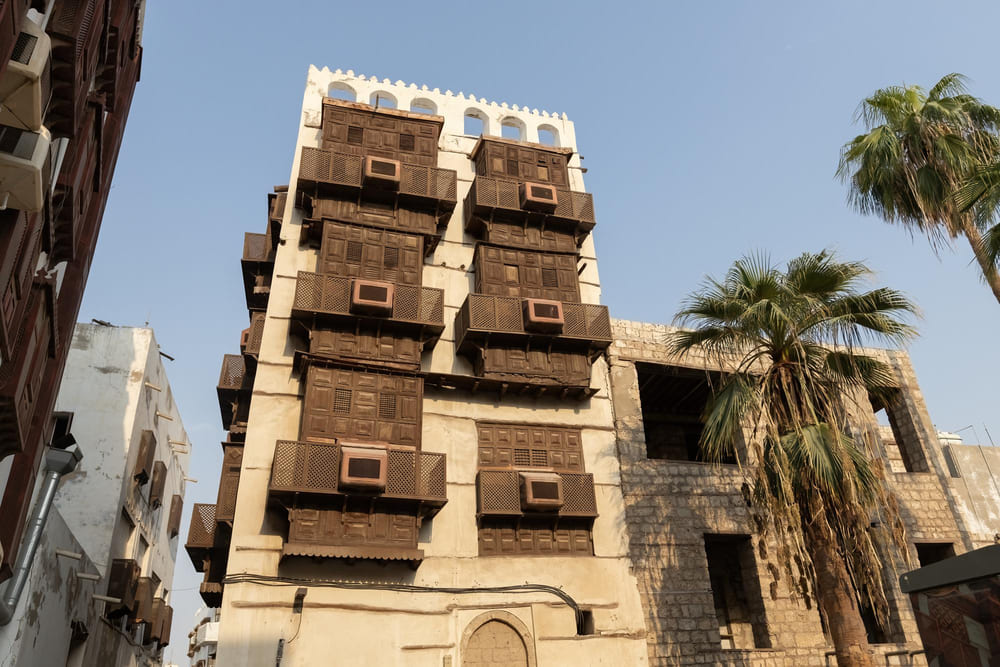
Historic Jeddah, or Al-Balad, has been a bustling port city for centuries. Devout pilgrims, daring merchants, and curious travelers from every direction have passed through here, all bound for Makkah.
Key Highlights:
- Coral stone architecture sculpted by the sea and sun.
- Bustling souks filled with fragrances, fabrics, and local banter.
- Elegantly carved wooden lattices that Instagram dreams are made of.
Why it matters:
Few cities embody multicultural charm like Jeddah. It’s the beating heart of Arabian trade history — proof that diversity has always been part of the kingdom’s DNA.
4. Rock Art in the Hail Region
Spoiler: Humans have always been storytellers.
In the Hail region, prehistoric carvings and paintings tell tales thousands of years old. Imagine ancient hands sketching scenes of the hunt, everyday lives, and animals onto rock faces — this was humanity’s original social media feed.
Key Highlights:
- Vast petroglyphs depicting camels, lions, and hunters.
- Dramatic desert backdrops that double as natural art galleries.
Why it matters:
It’s more than art — it’s the first record of community, creativity, and human resilience. These walls are museums the Earth has been curating for millennia.
5. Al-Ahsa Oasis – An Evolving Cultural Landscape
Swap sand for lush palm canopies and running waters. Al-Ahsa is one of the largest oases in the world and has been home to civilizations for literally thousands of years.
Key Highlights:
- Over 2.5 million date palm trees—yes, million.
- Ancient falaj (irrigation) systems still doing the job.
- The storied Al-Qara Mountain and the historic port of Al-‘Uqair.
Why it matters:
Al-Ahsa is living proof that humans and nature can thrive together long term. It’s sustainable living centuries before hashtags existed.
6. Ḥimā Cultural Area
Where trade met tradition between the dunes.
Set in Najran, the Ḥimā Cultural Area was a key stopover for traders moving between Arabia and beyond, dating back to pre-Islamic times.
Key Highlights:
- Ancient wells that still produce water.
- Hand-built agricultural terraces and stone structures.
- Ruins of fortifications and heritage neighborhoods.
Why it matters:
Ḥimā is a vivid reminder of how resilience, commerce, and culture clashed and merged in the scorching heart of Arabia.
Quick Comparison: Saudi Arabia’s 6 UNESCO Heritage Treasures
| Site Name | Period | Highlight Feature | Cultural Importance |
|---|---|---|---|
| Al-Hijr Archaeological Site | 1st Century AD | Qasr Al-Farid tomb | Nabatean trade & architecture |
| At-Turaif District | 15th–19th Century | Salwa Palace | Birthplace of first Saudi state |
| Historic Jeddah | Centuries-old | Coral stone houses | Gateway to Makkah, cultural melting pot |
| Rock Art in Hail | Prehistoric | Petroglyph panels | Window into early human life |
| Al-Ahsa Oasis | Thousands of years old | Palm groves & falaj system | Sustainable cultural landscape |
| Ḥimā Cultural Area | Pre-Islamic | Ancient wells & terraces | Trade and cultural exchange hub |
Latest words:
Saudi Arabia’s UNESCO sites aren’t just dusty history lessons — they’re full-on experiences. You’re not just looking at artifacts; you’re locking eyes with the ghosts of civilizations that shaped the world we live in.
Whether you’re ducking through Najdi alleyways in At-Turaif or standing under the shadow of Qasr Al-Farid, every moment feels like a private whisper from the past.
Pro Tip: Don’t just Google them. Go.
🎒 BOOK YOUR NEXT ADVENTURE IN SAUDI ARABIA WITH WEBOOK.COM
Skip the FOMO. We’re talking exclusive bookings, front-row passes to cultural festivals, and travel experiences that’ll make your feed explode. Your history-meets-adventure trip? One click away.
✅ Quick Fun Quiz – Drop your answers in the comments!
- Which UNESCO site is known for the “Lonely Castle” Qasr Al-Farid?
- Where can you find coral stone architecture in Saudi Arabia?
- Which site has over 2.5 million date palm trees?