The Museum and Cultural Venue Playbook: Ticketing, Membership and Programming Revenue
Museums and cultural venues grow ticketing and membership revenue by treating entry as sellable inventory instead of an open door: timed tickets that control flow and enable pricing tiers, a membership program designed around visit frequency, programming that sells the building after hours, and retail attached to the ticket path. The institutions growing earned revenue fastest have stopped treating admission as the product. The product is a programmable venue, and the shift starts at the entrance.
This playbook covers that full stack for museums, galleries, heritage sites, performing-arts centers and cultural districts. It draws on what webook.com sees running ticketing and visitor operations for attractions and experience destinations across 180+ countries and 40M+ tickets processed.
Why do museums need an earned-revenue engine now?
Because the funding mix has quietly inverted. In the United States, government support fell from about 40% of museum income in 1989 to 24% by 2009 and has stayed near that level since, while earned income, admissions, membership, retail, rentals, programs, now runs at roughly 32% of income, according to the American Alliance of Museums. Public money is flat; costs are not. Every budget line the grant letter no longer covers has to come from the building itself.
Meanwhile, the largest cultural-infrastructure wave in modern history is being built around the Gulf, new museums in Diriyah and AlUla, district-scale cultural developments, and the Grand Egyptian Museum operating at a scale no legacy institution has attempted. New institutions open with commercial operating targets from day one. Established venues now compete with them for visitors, sponsors and talent. Sitting on untimed free-flow entry, no membership engine and no visitor data is a choice, and an expensive one.
From open door to timed inventory: the entry shift
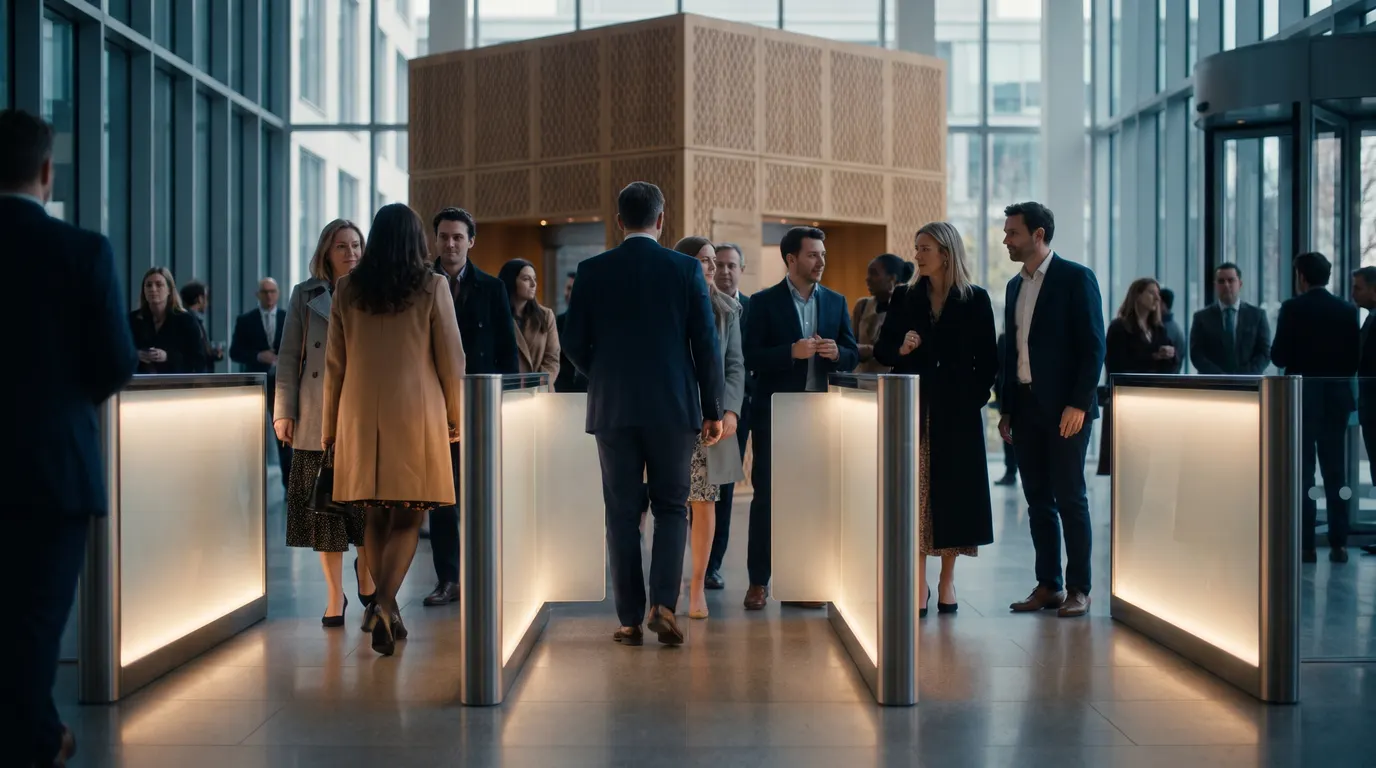
The single highest-leverage change a cultural venue can make is converting untimed, walk-up admission into timed, capacity-managed entry. Timed entry turns a building with an unknowable daily crowd into defined inventory: a set number of slots per hour, each one sellable, priceable and measurable.
Four things become possible the day entry becomes inventory:
- Flow control. The 11am crush and the dead 4pm hall are both revenue problems. Slots smooth demand across the day, protect the visitor experience and protect the collection.
- Price structure. Peak and off-peak rates, resident and international rates, exhibition surcharges and combination tickets all need slots to attach to. Tiered ticket architecture does the work that a single flat admission price cannot.
- Presale and forecasting. Demand is visible before doors open, so staffing, catering and security follow bookings instead of guesses.
- Data. Every entry becomes an identified booking rather than an anonymous body through a turnstile, the raw material for everything else in this playbook.
Differential pricing is already mainstream at flagship level. From January 2026 the Louvre, 8.7 million visitors a year, 69% of them from abroad, charges most non-EU visitors 32 euros against the standard 22, a 45% differential it expects to generate up to 20 million euros a year. Whatever you think of the policy, the mechanism matters: price structure, not price level, is where flagship institutions are finding revenue.
What does timed entry look like at scale? The Grand Egyptian Museum test
The Grand Egyptian Museum’s opening months are the clearest recent stress test of entry-as-inventory. Museum leadership set a safe daily capacity of 20,000 visitors; in opening week, with tickets split between online platforms and physical kiosks, more than 27,000 tickets were sold for a single day. The fix was structural, not cosmetic: a shift to online-only booking, with daily allotments balanced between domestic and international visitors.
The lesson for every cultural venue, at any size: a capacity rule only works when the ticketing system enforces it at the moment of sale, across every channel at once. A capacity number in a policy document is a wish. A capacity number in the booking engine is an operating reality.
How do museums build membership into recurring revenue?
Membership works when it is designed around visit frequency and belonging, not as a discounted season pass. The American Alliance of Museums’ Annual Survey of Museum-Goers finds the top reason non-members give for not joining is that they do not visit often enough to make it worthwhile. That is a value-perception problem, and therefore a product-design brief.
- Design tiers around relationships, not discounts. Individual, family and patron levels priced against realistic visit math, sold on belonging: member hours, previews, curator conversations, name-on-the-wall recognition.
- Treat renewal as the business metric. Acquisition is marketing; renewal is the revenue model. Auto-renewal by default, a visible member calendar, and a reason to come back inside every eight weeks.
- Use the visit data you now have. Visitors with two or more bookings a year are your membership pipeline, the offer should reach them while the last visit is still fresh.
The commercial logic is the same one we laid out in the recurring-revenue playbook for attractions: one-off admissions are volatile; committed audiences compound. Museums have a structural advantage here that commercial attractions envy, a mission people genuinely want to support.
Programming the venue: evenings, events and venue hire
A museum that closes at 6pm is a revenue asset idle during the highest-value hours of the day. Programming converts the same square meters into new inventory: late openings, concerts and performances, talks and film nights, education programs, seasonal festivals, and private venue hire.
- Evening and late programs sell to the local repeat audience, a different market from daytime tourists, and the one your membership program feeds on.
- Ticketed exhibitions, premieres and limited runs create urgency an open permanent collection never will.
- Education, school bookings, workshops, courses, builds weekday base demand that flattens seasonality.
- Corporate and private hire monetizes architecture: galleries, courtyards and rooftops rent at rates that surprise most museum boards.
Cultural venues that program well also become anchors of their city’s event calendar, the dynamic we unpacked in our guide to destination events and tourism strategy. Operationally, note that events are not admissions: they need allocations, price tiers, access control and gate scanning. A platform that only does daily admission will fail you on the first gala.
Retail and food: attach spend to the ticket path
Per-visitor retail and cafe revenue is largely decided before the visitor arrives. The booking flow is the highest-intent moment you will ever have with them: guidebooks, exhibition add-ons, cafe vouchers, parking and audio guides convert at the point of ticket purchase far better than at a till. Bundle deliberately, entry plus exhibition plus coffee, and let the shop close the loop on the way out rather than carry the whole load.
The data layer: what visitor data changes
Timed ticketing’s quiet dividend is that the institution finally knows who visits, when, how often, and what they buy. With analytics on booking and visit data, that knowledge becomes operating decisions: repeat-visit rate becomes the KPI that matters most; demand curves set opening hours and price tiers; sponsor and government reporting runs on real audience numbers instead of clicker counts; and membership offers land on the segments most likely to convert. Commercial attractions run this loop as standard practice, the repeat-visitor playbook shows the mechanics, and every part of it transfers to cultural venues.
Operating model: who runs commercial in a museum?
Someone must own the number. The institutions that grow earned revenue give a named leader, a Commercial Director or Head of Visitor Experience, explicit targets across admission, membership, programming, hire and retail, while curatorial keeps the mission. The box office stops being a cash desk and becomes inventory management. And the tooling consolidates: admission, exhibitions, events, memberships and add-ons on one system, one visitor record, one revenue dashboard, the job a venue commerce platform like webook PRO exists to do. Five disconnected systems produce five partial truths and no answer.
Where to start: a first-quarter sequence
- Weeks 1–4: baseline. Measure current daily and hourly visit patterns, revenue per visitor, and repeat rate however imperfectly your current setup allows. Set the capacity number per hour you can defend.
- Weeks 5–8: timed entry. Move admission to timed online booking, even free entry becomes a free timed ticket. Keep walk-up as a same-day slot allocation, not an uncontrolled stream.
- Weeks 9–12: first paid structure. Introduce peak and off-peak pricing and one add-on bundle. Launch membership v1 with two tiers and auto-renewal. Pilot one evening program.
- Quarter two: compound. Read the data monthly. Adjust tiers, extend programming that sold, cut what did not, and open venue-hire inquiries.
Frequently asked questions
Put entry, membership and programming on one engine
If you run a museum, gallery, heritage site or cultural district and want admission, memberships, events and add-ons working as one commercial system, explore how webook.com works with culture and art institutions.
Frequently asked
How can museums increase revenue without raising ticket prices?
By restructuring rather than raising: timed entry with peak and off-peak tiers, add-on bundles in the booking flow, membership built on visit frequency, evening and event programming, and private venue hire. Price structure typically yields more than price level, and does it without the political cost of a headline price increase.
Does timed entry reduce museum attendance?
Managed well, no, it redistributes demand rather than cutting it. Slots move visitors from oversubscribed peaks into quiet hours, protect the visit experience, and enable presale so demand is captured before arrival. The Grand Egyptian Museum’s move to online-only timed booking came because demand exceeded safe capacity, not the reverse.
What makes a museum membership program profitable?
Renewal rate. Acquisition covers its own marketing cost; profit lives in years two and beyond. Profitable programs design tiers around visit frequency and belonging, default to auto-renewal, give members a reason to return every few weeks, and target the offer at visitors whose booking history already shows repeat behavior.
Should free-entry museums still use ticketing?
Yes. A free timed ticket manages capacity, builds the visitor database, and creates the rail on which paid exhibitions, events, memberships and add-ons run. Free entry and ticketing are not opposites: the ticket is the data and capacity instrument; the price on it is a separate policy decision.
Let's build your event's ticketing
Tell us about your event and what you want it to achieve, and we'll put a dedicated team on the setup that fits.
Get started now